
round illuminated bathroom mirror
Replacing a Water Valve A Step-by-Step Guide Water valves are essential components in your home's plumbing system, controlling the flow of water to various fixtures and appliances. Over time, these valves can wear out, leak, or become damaged, necessitating replacement to ensure the efficiency and safety of your plumbing. Here, we provide a comprehensive guide on replacing a water valve, including the different types of valves, tools required, and step-by-step instructions. Types of Water Valves Before diving into the replacement process, it’s essential to understand the various types of water valves you might encounter 1. Gate Valve Typically used for on/off control, gate valves enable full flow when fully open but are not ideal for throttling. 2. Ball Valve Known for its durability and excellent sealing properties, a ball valve is either fully open or fully closed, providing reliable performance. 3. Globe Valve Used for regulating flow, globe valves offer better throttling capabilities compared to gate or ball valves. 4. Angle Valve Commonly used for water supply to fixtures, angle valves allow for more compact arrangements. Tools and Materials Needed To replace a water valve, gather the following tools and materials - Adjustable wrench - Pipe wrench - Screwdriver (flathead and Phillips) - New water valve (matching the type and size of the old one) - Plumber’s tape - Bucket or towels (to catch any residual water) Step-by-Step Instructions 1. Turn Off the Water Supply Locate the main water shutoff valve and turn it off. If applicable, shut off the water supply to the specific fixture or area where the valve is located. replacing water valve 2. Drain the Pipes Open a faucet near the valve you’re replacing to release any residual pressure in the system. This step will also help drain any water left in the pipes. 3. Remove the Old Valve Use an adjustable wrench or a pipe wrench to loosen the fittings on both sides of the valve. Carefully detach the valve from the piping. Be cautious, as residual water may spill out. 4. Clean the Pipe Threads Once the old valve is removed, check the ends of the pipes for any old plumber’s tape or debris. Clean the threads to ensure a good seal with the new valve. 5. Install the New Valve Apply plumber's tape to the threads of the pipe to ensure a watertight seal. Position the new valve in line with the existing pipes, making sure the flow direction matches the old valve. Hand-tighten the fittings before using a wrench to secure them. 6. Reconnect and Tighten Carefully tighten the fittings with your wrench. Ensure not to overtighten, as this could damage the threads or the valve itself. 7. Turn On the Water Supply Slowly turn on the main water supply or the specific valve you shut off earlier. Check for leaks around the newly installed valve. If you notice any dripping, turn off the water and check the fittings for tightness. 8. Test the Valve Open and close the newly installed valve a few times to ensure it operates properly. Monitor for any leakage during and after the testing process. Conclusion Replacing a water valve may seem intimidating, but with the right tools and careful attention to detail, it can be a manageable DIY project. Understanding the types of valves and their functions will help you make informed decisions during the replacement process. Regular maintenance and timely replacement of plumbing parts can save you from more significant issues down the line, such as water damage or costly repairs. Always remember to prioritize safety, and when in doubt, don’t hesitate to consult with a professional plumber.
about
round illuminated bathroom mirror
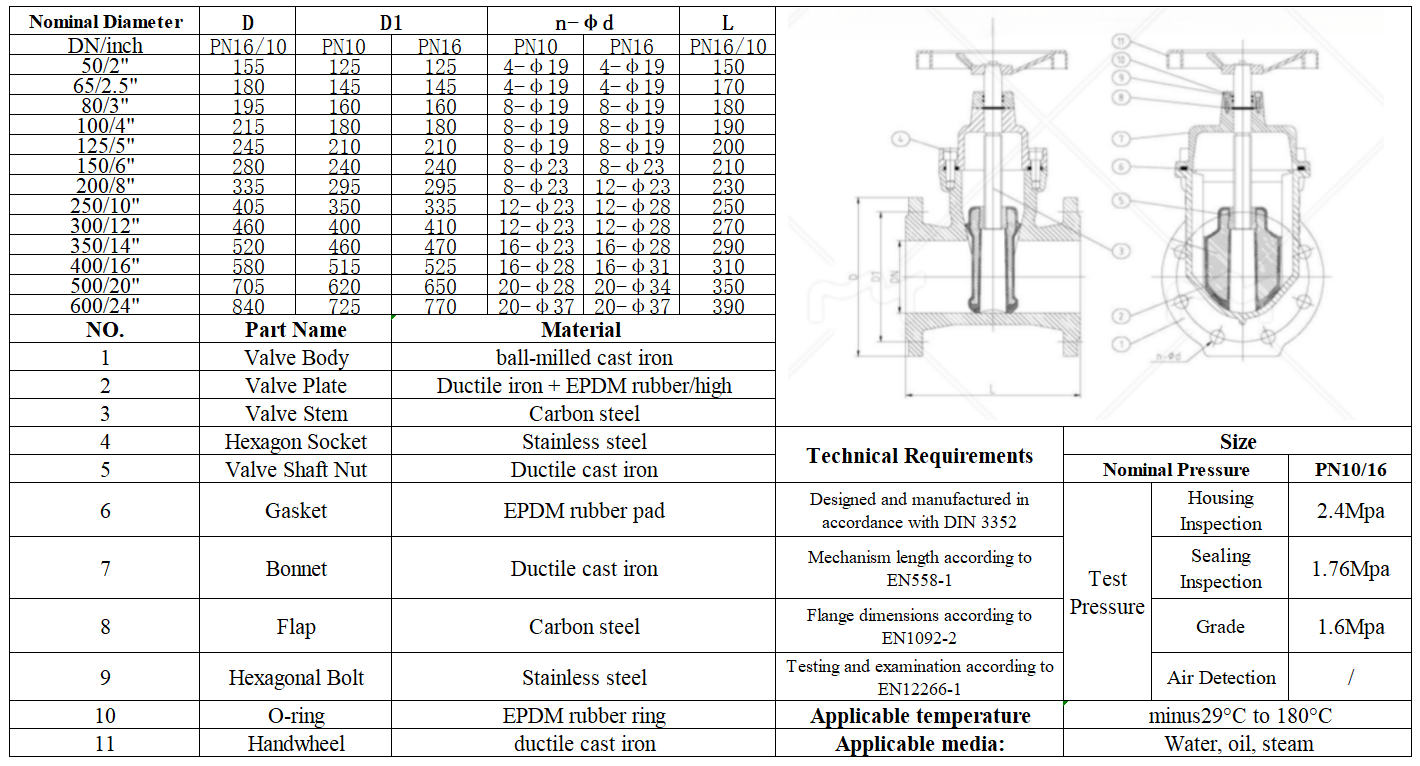
In today’s fast-paced industrial and municipal applications, the importance of reliable valve performance cannot be overstated. The soft seal gate valve has become a popular choice due to its exceptional sealing capabilities, corrosion resistance, and ease of operation. Whether for clean water, sewage systems, or low-pressure applications, this valve type ensures a leak-proof seal and long service life, making it an essential part of any pipeline system. Why the Soft Seal Gate Valve Is in High Demand The defining feature of the soft seal gate valve is its use of an elastic or rubberized sealing surface. Unlike traditional metal-to-metal sealing in standard gate valve designs, this type of valve offers a more flexible and secure seal, effectively eliminating leakage. Soft seal valves are especially suitable for: Municipal waterworks and drinking water systems Wastewater treatment plants Agricultural irrigation systems Firefighting pipelines These valves are valued for their resistance to corrosion, ease of maintenance, and excellent sealing under low pressure. Their robust structure and advanced sealing technology ensure that pipeline integrity is maintained even during frequent operation. Comparing with Other Gate Valve Types Among the various gate valve types , the soft seal gate valve stands out due to its improved performance in specific environments. While cast iron , flanged , and wedge-type gate valves are preferred in high-pressure or high-temperature conditions, the soft seal design excels in preventing water hammer effects and internal corrosion. When compared to other different types of gate valves , the soft seal version is lighter in weight, requires less torque to operate, and ensures a smoother closing process. This makes it not only practical but also economical over time. Ideal Applications for a 1 Flanged Gate Valve For smaller diameter pipelines, a 1 flanged gate valve is the perfect fit. It combines the compactness of a smaller size with the secure connection benefits of a flanged end. Flanged valves are easier to install and service, as they can be bolted on and removed without cutting the pipeline. Typical applications for a 1 flanged gate valve include: Local water distribution systems Small-scale industrial piping HVAC systems Its durable construction and precision seal make it a go-to option for installations where consistent flow control is necessary, and where leak prevention is a top priority. As industries seek smarter, more efficient solutions, the soft seal gate valve continues to gain recognition as a reliable and cost-effective option. Whether you're dealing with municipal water systems, agricultural flow control, or residential plumbing, choosing the right gate valve types —like a 1 flanged gate valve or soft seal gate valve —can significantly improve your system’s reliability and performance. With various gate valves for sale on the market, ensure you choose a reputable supplier offering products tested for long-term use and high sealing efficiency.
-

High quality industrial productsagement

High quality industrial products
View Details -

Meet the diverse needs of customers

Meet the diverse needs of customers
View Details -

Strict quality control

Strict quality control
View Details -

Top raw materials

Top raw materials
View Details -

Trusted supplier

Trusted supplier
View Details
Our application



news and information
vandkontrolventil 3 4
Vandprocent Tjekventil 3/4 En Nødvendighed i VVS-Installationer I enhver VVS-installation er der ele
Vanne d'arrêt de 4 pouces
Vanne à Globe de 4 Pouces Caractéristiques et Applications Les vannes à globe sont des éléments ess
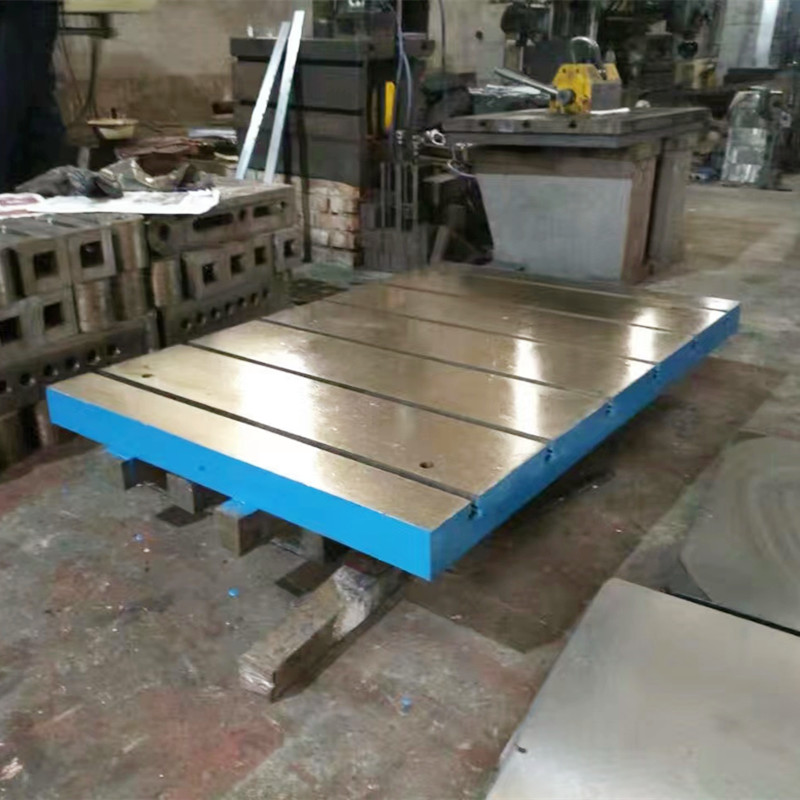
Versatile Welding Table for On-the-Go Fabrication and Efficient Workspace Solutions
The Versatility and Importance of Portable Welding Tables In the world of welding, precision and con
 English